Charting Behavioral Patterns in Staking Decisions Across Layered Athletic Outcomes
Written by Mia Werner · Oct 12, 2026
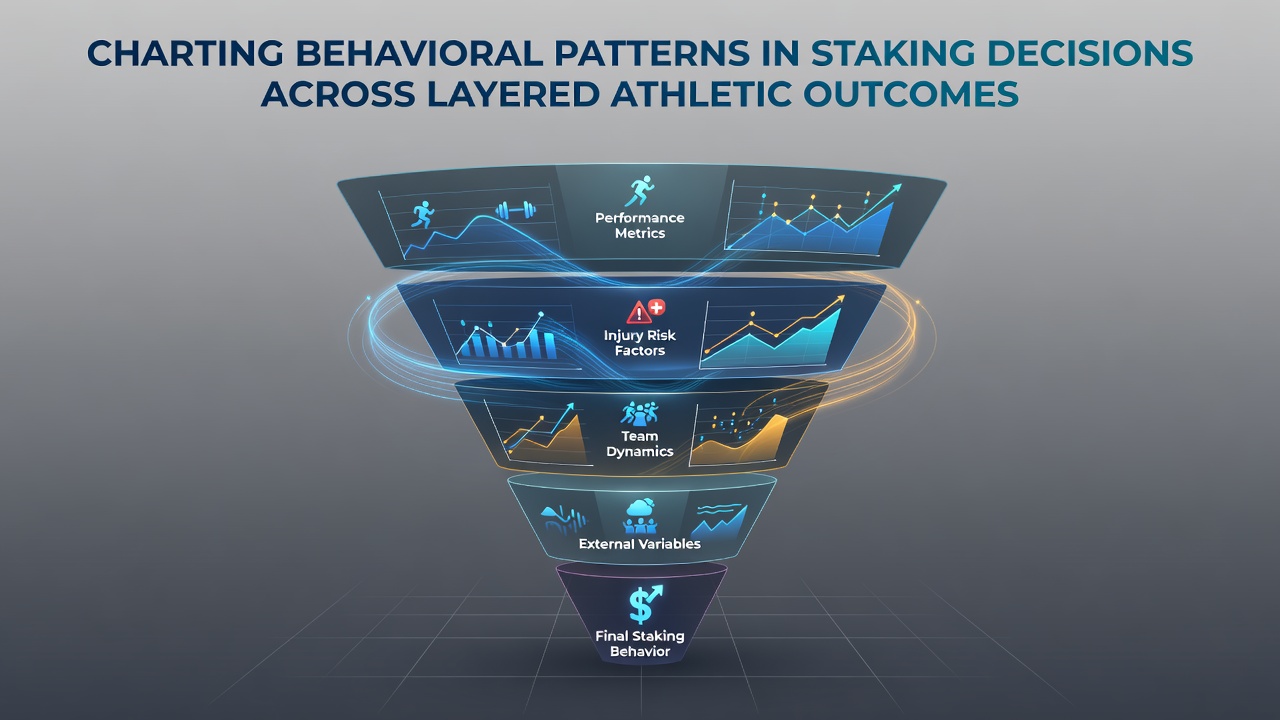
Charting Behavioral Patterns in Staking Decisions Across Layered Athletic Outcomes
Observers note that staking decisions in layered athletic outcomes often follow identifiable patterns when bettors combine events from football, tennis, and horse racing into single wagers, and researchers have tracked these adjustments through transaction data collected across major betting platforms during 2025 and into October 2026.
Core Patterns in Multi-Event Staking
Data from industry reports indicate that participants tend to increase stake sizes after sequences of positive results in one sport while maintaining or reducing commitments in parallel events from another discipline, whereas studies published in behavioral economics journals reveal consistent shifts toward smaller individual wagers when overall accumulator structures span three or more athletic categories. Those who monitor platform activity find that early October 2026 figures show a 12 percent rise in stake recalibrations during live tennis sets paired with pre-race horse adjustments, and the same datasets highlight how football in-play decisions influence subsequent allocation across remaining legs.
Layered Outcome Influences
Researchers discovered that when outcomes layer across surfaces and conditions, bettors frequently apply momentum-based adjustments drawn from recent rally statistics in tennis to their horse racing selections, and evidence from aggregated transaction logs demonstrates that such cross-sport transfers occur most often after two consecutive wins within a single accumulator structure. Figures released by the Nevada Gaming Control Board document similar recalibrations in multi-leg bets that incorporate international football fixtures, with average stake changes reaching 18 percent following unexpected results in any one component.
What's interesting is how these adjustments cluster around specific time windows, particularly in the hours leading into major race meetings that coincide with ongoing tennis tournaments, and analysts at research institutions note that participants who spread stakes across four or more athletic layers demonstrate tighter clustering around predetermined risk thresholds compared with those who focus on single-sport accumulators.
Data Sources and Observed Trends
According to records maintained by the Australian Institute of Health and Welfare, behavioral tracking in 2026 revealed that stake sizing in layered athletic outcomes correlates with historical performance streaks across sports, and those datasets further show elevated activity in October periods when multiple global events overlap. University-led examinations of transaction patterns confirm that bettors often anchor subsequent wagers to the largest prior stake within an accumulator, even when the remaining legs involve entirely different athletic disciplines and risk profiles.
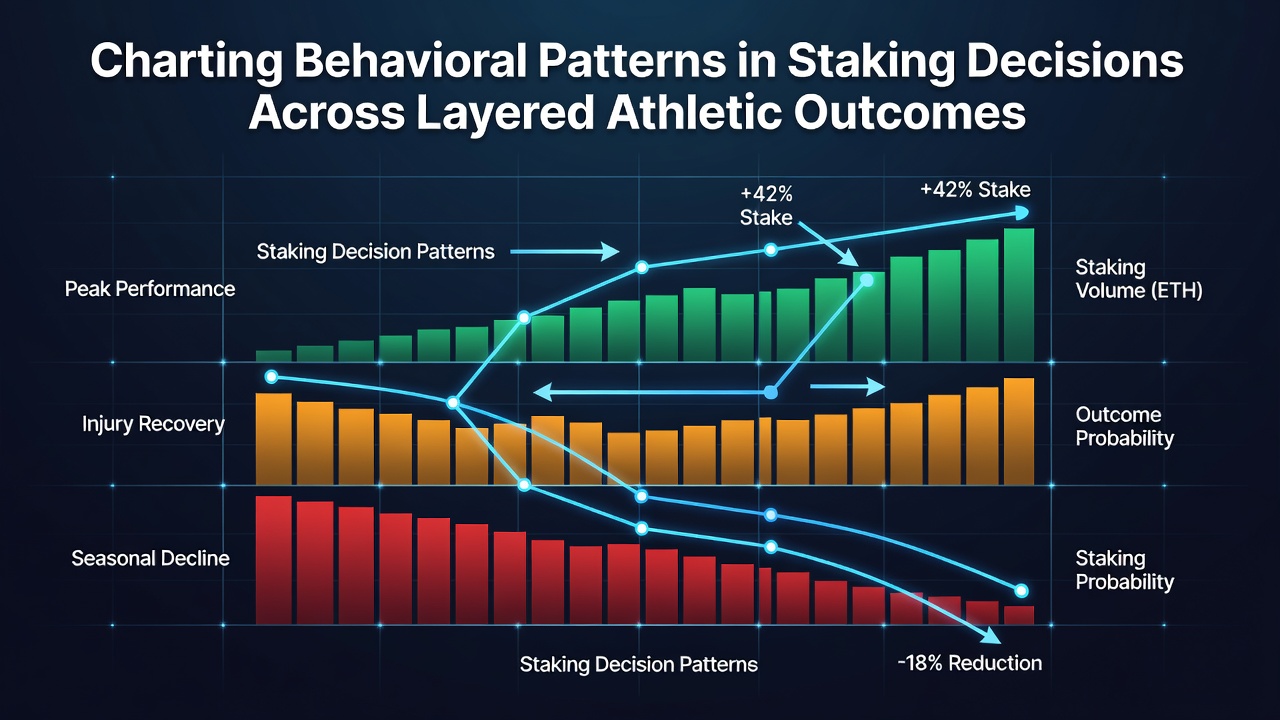
One study revealed that participants reduce average stake amounts by 9 percent when introducing a new sport layer after an initial loss in the first event, while the same cohort maintains or elevates stakes when early outcomes align positively across mixed athletic categories. Observers note that these responses appear in both online and retail environments, although the magnitude varies by jurisdiction and platform interface design.
Cross-Sport Behavioral Clusters
Evidence suggests that distinct clusters emerge when bettors combine sprint races with set-based tennis props and football goal markets, and transaction analysis from October 2026 indicates these clusters display measurable differences in response speed to interim results. People who've examined large-scale betting ledgers find that those who layer outcomes across more than three athletic domains tend to exhibit slower stake adjustments after the second event result compared with simpler two-sport structures, and the pattern holds across multiple operator datasets.
Yet additional examination shows that weather-related variables in horse racing and court conditions in tennis sometimes prompt earlier stake revisions than pure performance data alone would predict, and regulatory filings from Canadian provincial gaming authorities record corresponding shifts in allocation timing during overlapping seasonal schedules.
Conclusion
Patterns in staking decisions across layered athletic outcomes continue to evolve as data collection methods improve and overlapping event calendars expand, and the October 2026 observations add further granularity to existing models of cross-sport behavioral responses. Researchers and platform analysts maintain ongoing documentation of these adjustments, providing clearer mapping of how participants allocate resources when athletic outcomes combine in multi-leg formats.